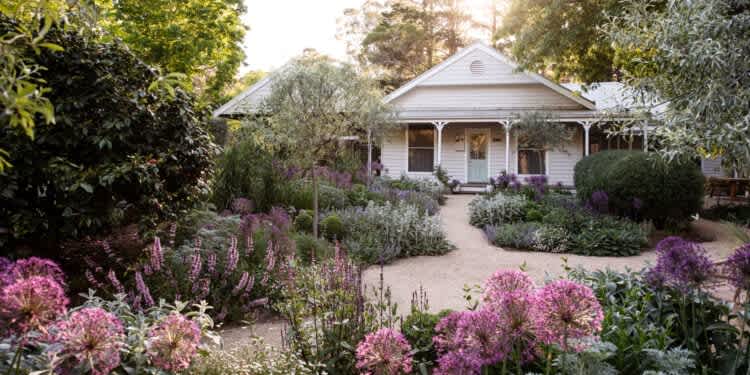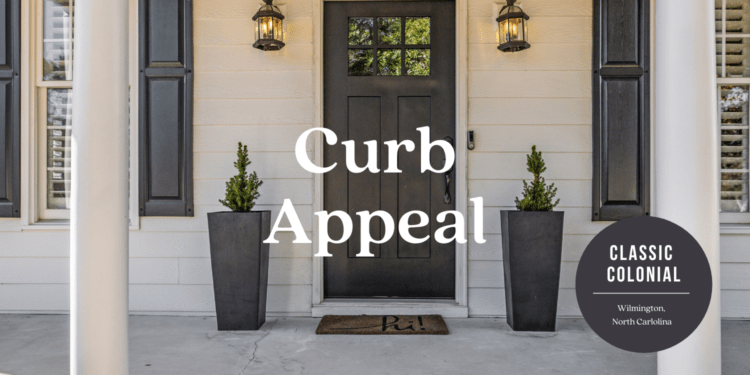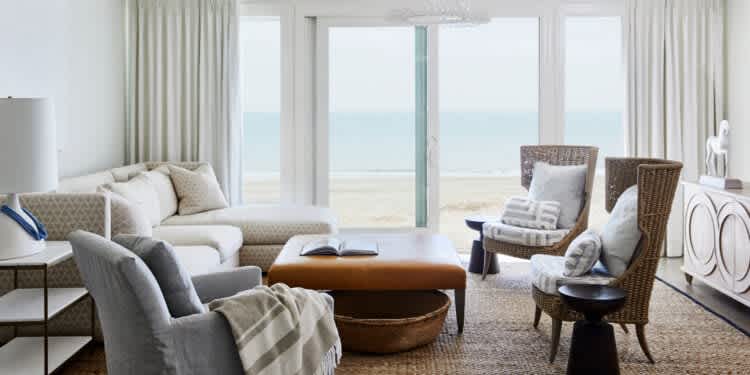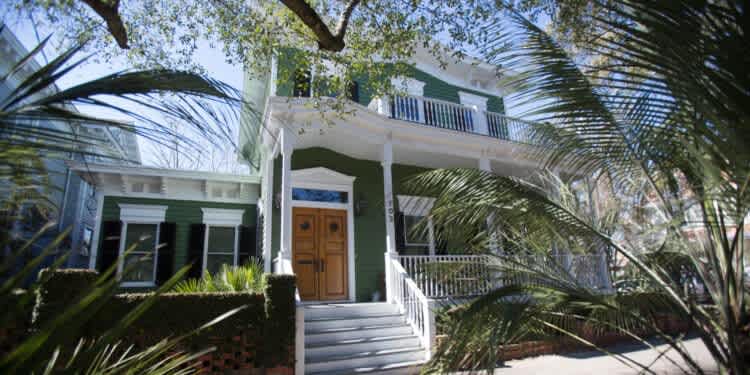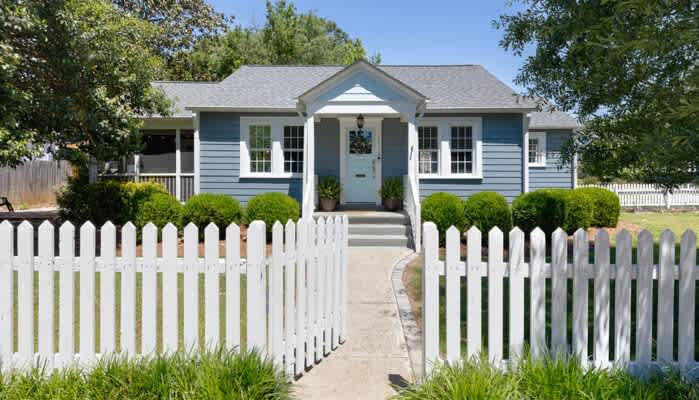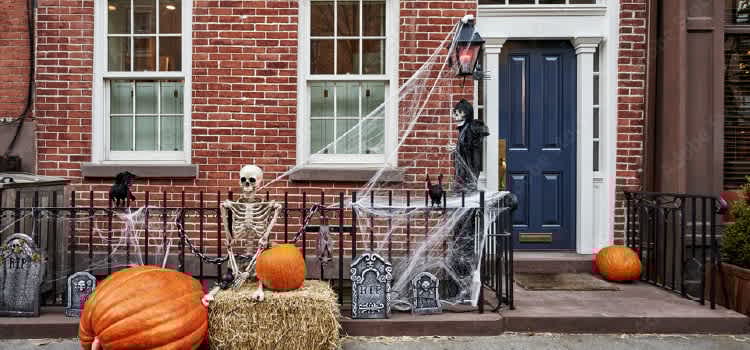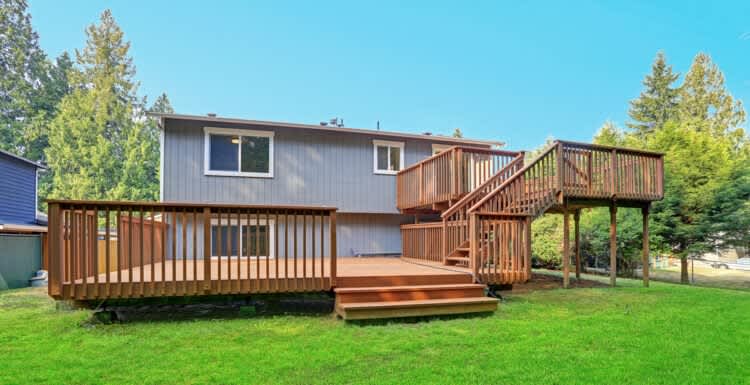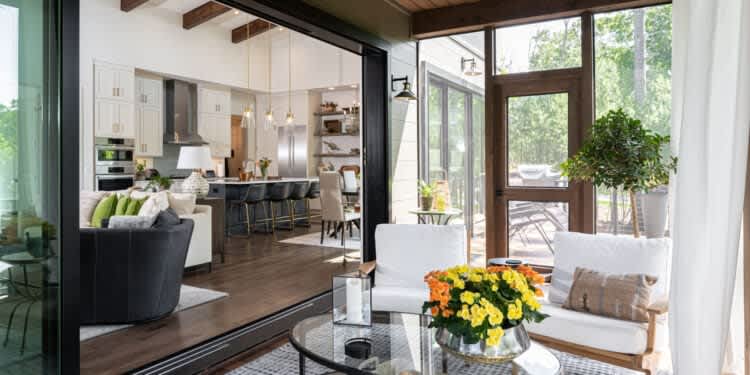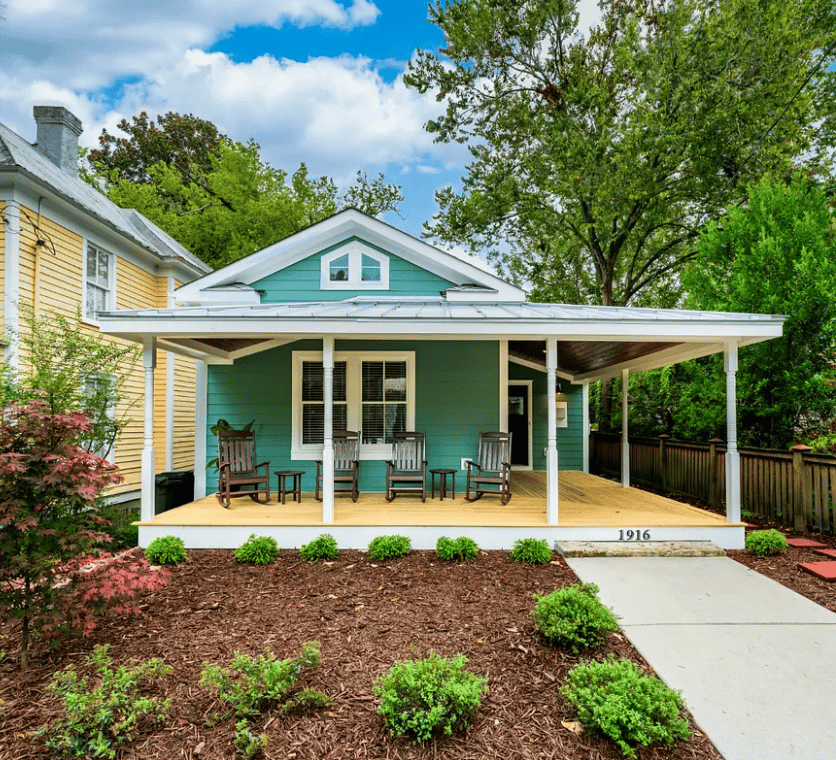
If you’ve found yourself drawn to the tree-lined streets, wide front porches of antebellum homes, and walkable streets of Historic Downtown Wilmington, you’re not alone. Buyers from Charlotte, Raleigh, and well beyond the state line are making the move, and it is not hard to see why. Downtown Wilmington offers something increasingly rare: a genuine sense of place.
But buying a historic home is not like buying a new construction property in the Porters Neck area or Leland. The process has unique considerations, and buyers who navigate it best are the ones who come prepared. This guide highlights things you need to know before you make an offer on a downtown Wilmington property.
Why Downtown Wilmington? Understanding What You’re Buying Into
Historic Downtown Wilmington encompasses a walkable grid of streets running from the Cape Fear River waterfront inland for 230 blocks into the historic neighborhoods, including the Old Wilmington Historic District, Carolina Place, Dry Pond, and North Front Place in the Cotton Exchange area. Homes range from antebellum Italianate mansions on Third Street to modest Craftsman bungalows on the side streets of Sunset Park.
What buyers get here that they can’t find elsewhere:
• Walkability to restaurants, shops, and the riverfront (actual walkability, not a marketing claim)
• Architecture with real character: heart pine floors, plaster walls, 10-foot ceilings, original millwork
• A neighborhood identity that new construction simply cannot replicate
• An amazing urban cultural center extending from the Castle Street antique & arts district to Thalian Hall Performing Arts Center to the concert pavilion in Riverfront Park
• Long-term appreciation: downtown Wilmington has consistently outperformed suburban submarkets over the last decade
The tradeoff? Maintenance costs are real, parking can be a consideration, and flood zone awareness matters. But for buyers who understand what they’re getting into, the rewards are substantial.
The Price Landscape: What Does Downtown Actually Cost?
Downtown Wilmington real estate covers a wide range. At the entry level, you’ll find smaller cottages and condos starting in the low-to-mid $300s. Classic single-family homes in good condition, like a 3BR/2BA Craftsman bungalow with original details intact, typically run from the mid-$400s into the $600s. Fully renovated or larger Victorian-era properties on the most desirable streets can push well past $800,000.
A few price factors specific to the historic market:
• Historic designation: Properties within the locally designated historic district may be eligible for state and federal tax credits on qualified renovation costs, which is a meaningful incentive for buyers planning improvements.
• Street location matters enormously. Prices on the most established blocks, including Market Street, Third, Fourth, and the blocks closest to the river command a premium over comparable properties just a few streets away.
• Renovated vs. original condition: Unlike suburban homes, downtown buyers often willingly pay a premium for properties with original historic features preserved, not replaced. A home with intact original details may outperform a comparable property with builder-grade renovations.
The Inspection Is Different Here: Know What to Look For
This is where buyers working with agents unfamiliar with historic homes get into trouble. A standard home inspection checklist was designed for a 1990s subdivision house. Applying it to an 1890s Queen Anne or a 1920s Foursquare will leave critical items unexamined.
Here are the inspection items that deserve special attention in historic downtown Wilmington homes:
Foundation and Crawl Space
Many downtown homes sit on brick pier foundations rather than continuous concrete footings. This is not inherently a problem, but settling, moisture intrusion, and wood rot at the sill plate level are common issues. A qualified structural engineer (separate from your general inspector) is worth the $400 — $600 fee on any historic purchase.
Knob-and-Tube and Aluminum Wiring
Homes built before 1950 may still have original knob-and-tube wiring or have had aluminum wiring added during later upgrades. Both present insurance challenges and safety considerations. Know exactly what you’re buying before you close and budget accordingly for any required updates.
Lead Paint and Asbestos
Standard disclosure requirements apply, but older downtown homes may have multiple layers of lead-based paint and/or asbestos-containing materials in floor tiles, pipe insulation, or exterior siding. It is manageable, but it factors into renovation budgets and timelines. Working with an agent that understands the costs and NC regulations for asbestos abatement can often lead to negotiating a lower price to cover such costs or having the seller remediate the situation before closing.
Roofing: Original vs. Replacement
Historic homes with original slate or standing-seam metal roofs are often in better shape than they appear. These materials can last a century with proper maintenance. Conversely, original roof structures covered with multiple layers of asphalt shingles may be concealing structural concerns. Always ask about the roof’s age and history.
HVAC in Pre-AC Buildings
Many downtown homes were built before central air conditioning existed. Retrofitting modern HVAC into a home with 10-foot ceilings, plaster walls, and no existing ductwork is possible, but it is not cheap. Understand the current heating and cooling system in detail before you close.
Historic District Rules: What You Can and Can’t Change
If the property you’re buying falls within the City of Wilmington’s locally designated historic district, exterior changes require approval from the Historic Preservation Commission (HPC). The process is well-established, and the staff is generally helpful to owners working in good faith.